 blog
How to Decide if a Prefab ADU Is Worth It for Rental Income
Last Updated: October 29, 2026
Quick Summary
A prefab ADU is worth it for rental income only if total installed cost, not the unit price, still clears your return hurdle after vacancy, operating expenses, and debt service. Model payback from the rent-ready date and confirm zoning allows rental use before you buy plans.
- Prefab savings live in the unit price, not the site, so foundation and utility costs can erase the gap.
- Benchmark rent against nearby studio and one-bedroom comparables, then discount for a backyard location.
- Start the payback clock when you can legally collect rent, not at delivery.
- Confirm zoning allows an ADU, rental use is permitted, and your design meets local codes.
- Lenders may treat factory-built modules differently and release funds in stages, so ask about delivery milestones.
Table of Contents
- Prefab vs. Stick-Built: Which ADU Type Fits Your Rental Plan?
- Prefab ADU Cost: Upfront Unit Price and Total Installed Cost
- ADU Rental Income: What You Can Realistically Charge
- ADU Rental ROI: Crunching the Numbers with Transparent Assumptions
- ADU Payback Period: How Long Until the Rental Pays for Itself
- Permits, Zoning, and Local Rules That Affect Rental Viability
- Financing, Insurance, and Taxes for a Prefab ADU Rental
- Next Step: Get Permit-Ready Plans and Run Your Own ROI Model
- Frequently Asked Questions
Prefab vs. Stick-Built: Which ADU Type Fits Your Rental Plan?
Deciding if a prefab ADU is worth it for rental income starts with one honest comparison: factory-built versus built on site. A prefab ADU is an accessory dwelling unit assembled in modules at a factory and delivered to your lot, while stick-built construction happens entirely in your backyard. This guide walks through total cost, realistic rent, payback, and the rules that decide whether the numbers work at all.
The appeal of prefab is speed and predictable labor. Factory crews build in controlled conditions, so weather delays can shrink. Stick-built gives you full design flexibility and no delivery logistics to solve.
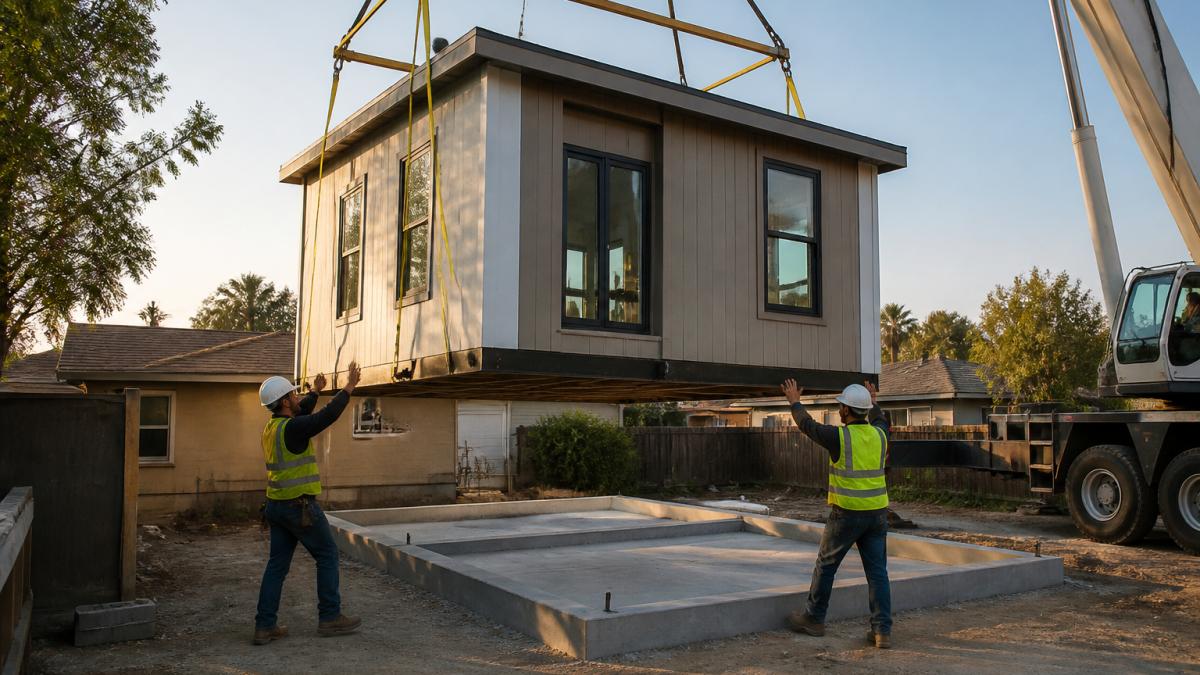
The tradeoff most buyers miss: prefab savings live in the unit price, not the site. For a deeper look at prefab costs, permits, and plans, see this prefab ADU review. Foundation, utility trenching, and crane access can erase the gap fast.
Prefab ADU Cost: Upfront Unit Price and Total Installed Cost
Prefab ADU cost breaks into two very different numbers, and mixing them up is the most common budgeting mistake we see. The unit price covers the manufactured shell, finishes, and delivery. The installed cost adds everything your lot demands: site preparation, foundation, utility connections, and installation labor.
| Cost Component | What It Covers | Budget Driver |
|---|---|---|
| Unit price | Shell, finishes, factory build | Size and finish level |
| Site preparation | Grading, clearing, access | Lot slope and access |
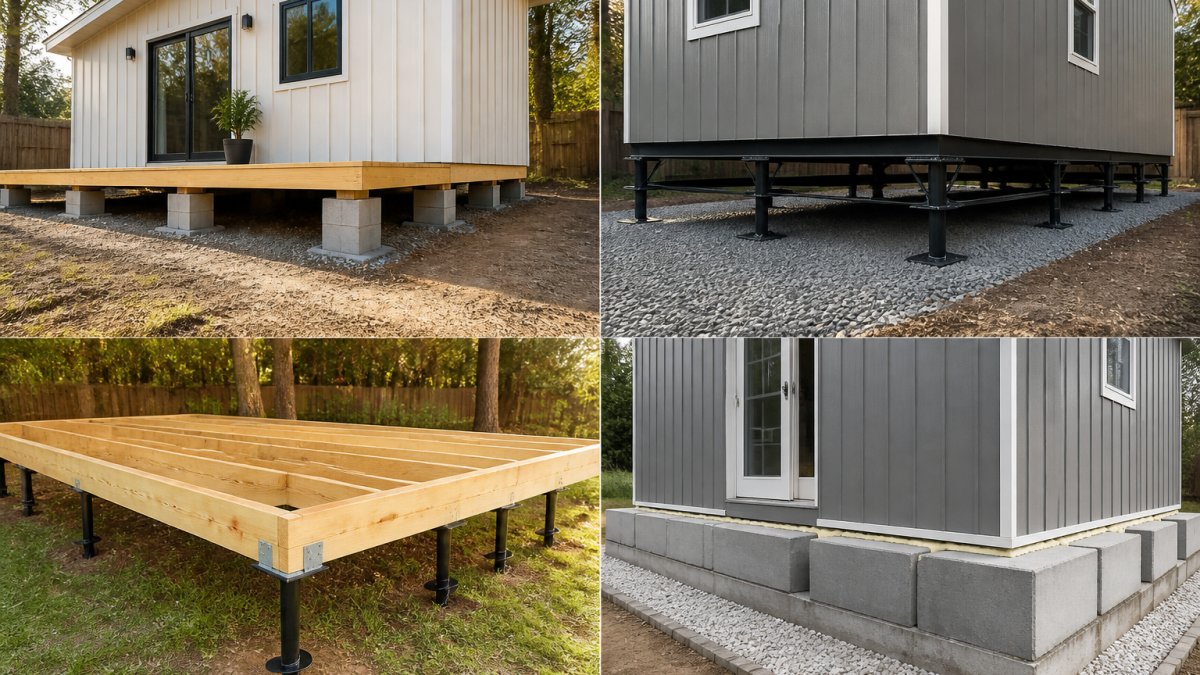
| Foundation | Slab, piers, or crawlspace | Soil and local code |
| Utility connections | Water, sewer, electrical | Distance to existing lines |
| Delivery and installation | Crane, transport, set crew | Site access and distance |
Site costs can swing widely between lots. Get a site-specific quote before you trust any advertised number.
ADU Rental Income: What You Can Realistically Charge
ADU rental income depends on your local market, unit size, and whether you rent long-term or short-term. A common approach is to benchmark against comparable studio and one-bedroom rents nearby, then discount slightly for a backyard location and shared access.
Long-term leases bring steadier income and lower turnover. Short-term rentals can earn more per night but add cleaning, management, and vacancy risk. Factor in operating expenses before you count a single dollar as profit.
ADU Rental ROI: Crunching the Numbers with Transparent Assumptions
ADU rental ROI is annual net income divided by total project cost, and the only way to trust the result is to show your assumptions line by line. A common modeling error is comparing advertised unit price to gross rent, the real denominator is total installed cost, and the real numerator is net income after vacancy, operating expenses, and debt service.
Build the model in this order so nothing hides:
- Total installed cost. Unit price plus site preparation, foundation, utility connections, delivery, crane set, permits, and contingency.
- Gross rent. Benchmark against nearby studio and one-bedroom comparables, then discount for a backyard location, shared access, and any parking limitation. Use the lower end of the range, not the highest listing you can find.
- Vacancy allowance. Budget a vacancy allowance for long-term rentals and a larger one for short-term rentals to account for seasonality and turnover.
- Operating expenses. Insurance, maintenance, utilities you cover, property management (if you use a manager), and any HOA or permit fees. Landlord insurance on an ADU rental typically differs from a standard homeowner policy because it adds a rental structure and liability exposure.
- Debt service. If you finance the project, subtract the annual loan payment before you call anything profit. Cash-on-cash return, annual pre-tax cash flow divided by cash invested, is the number that tells you whether borrowed money helps or hurts.
- Net income and ROI. Annual net income divided by total installed cost gives unlevered ROI; annual cash flow divided by cash invested gives cash-on-cash return. Report both, because they answer different questions.
Two prefab-specific items change the economics beyond the unit price. First, financing: lenders may treat factory-built modules differently from stick-built, and funds may be released in stages; ask your lender how they handle this. Ask how your lender handles delivery milestones before you sign a purchase agreement. Second, property tax reassessment: a new permitted ADU can trigger a reassessment that raises the annual tax bill, and that line belongs in your operating expenses, not in a footnote.
Finally, confirm the income is legally achievable before you model it. Zoning, owner-occupancy rules, rental restrictions, and short-term rental ordinances vary by jurisdiction and can cap or prohibit the rent you are projecting. A model built on rent you cannot legally collect is not a conservative model, it is a fictional one. Run the numbers with conservative rent, a full vacancy allowance, and the regulatory answer in hand; if the deal still works, it will survive real-world surprises. Owner-builders who want to plug in their own assumptions can use the owner builder financials tool to model the project.
ADU Payback Period: How Long Until the Rental Pays for Itself
The ADU payback period is total installed cost divided by annual net rental income. If a project costs a set amount and nets a steady annual figure after expenses, payback lands at a predictable number of years. Shorter payback means less exposure to rate changes and market shifts, but only if the clock starts at the right moment.
A common mistake is starting the payback clock at delivery. The clock starts when you can legally collect rent, and that date depends on the following sequence:
- Permitting and design. Plan review and any discretionary approval can take time depending on the jurisdiction.
- Site work and foundation. Grading, utility trenching, and the foundation must be complete before a module arrives, and weather or soil conditions can stretch this phase.
- Factory build. Manufacturing runs in parallel with site work, which is the real speed advantage of prefab, but it is factory time, not calendar time to rent.
- Delivery and set. Crane access, transport dimensions, and setbacks determine whether the module can be placed at all; a constrained lot can add days and cost.
- Inspections and utility connection. Final inspections and meter set are the last gates before occupancy.
Payback is total installed cost divided by annual net income after vacancy, operating expenses, and debt service. Run it twice, once with conservative rent and a full vacancy allowance, once with the optimistic numbers a sales brochure might use, and compare. If the conservative case still clears your hurdle, the project is robust; if only the optimistic case works, you are underwriting hope.
Watch out: payback calculations that skip vacancy, maintenance, insurance, and debt service always look better than reality. Build those in from day one, and treat any payback estimate under a few years with suspicion until you verify the rent assumptions and the regulatory answer. The most useful output of a payback model is not a single number, it is the range between your conservative and optimistic cases, and the knowledge of which line item moves that range the most.
Permits, Zoning, and Local Rules That Affect Rental Viability
Permits and zoning decide whether your ADU can legally be rented at all, and that single fact can sink an otherwise strong ROI. Jurisdictions may cap ADU size, require owner occupancy, limit short-term rentals, or mandate parking, and some allow by-right approval while others require discretionary review.
Confirm three things before you buy plans: your lot's zoning allows an ADU, rental use is permitted, and your design meets local building codes. Skipping this step is the most expensive shortcut in the process. This step-by-step ADU permit approval guide walks through the timeline so you can judge whether rental viability survives local rules.
Financing, Insurance, and Taxes for a Prefab ADU Rental
Financing a prefab ADU rental usually means a construction loan, a home equity line, or cash, and lenders treat factory-built units differently from stick-built. Ask how your lender handles delivery milestones, since funds are often released in stages.
Insurance needs a rental-specific policy that covers the structure and landlord liability. On taxes, a rental ADU typically creates depreciation and deductible operating expenses, but rules vary, so confirm details with a tax professional. Property value and resale also matter: buyers increasingly see a permitted, rentable ADU as a plus, but an unpermitted unit can hurt an appraisal. Calculating these long-term financial impacts requires a disciplined approach to analyzing rental property potential before committing to the capital expenditure of a prefab installation.
Next Step: Get Permit-Ready Plans and Run Your Own ROI Model
QuiPlans offers PE-stamped drawings from licensed structural engineers in 26 U.S. states, comprehensive feasibility studies, and instant downloads, and is trusted by more than 7,000 homeowners.
Get started with QuiPlans and move from concept to construction with confidence. Browse architectural plans you can buy and build from.
Frequently Asked Questions
Is a prefab ADU worth it as a rental property?
It depends on your local rents, total installed cost, and how you finance it. Prefab construction can reduce labor costs and shorten the construction timeline, which helps you start collecting rental income sooner. But site preparation, foundation, utility connections, and permitting can add significantly to the unit price. Run a rental ROI model that includes vacancy and operating expenses before committing.
How much does it cost to build a prefab ADU?
Prefab ADU cost varies widely by size, design, and site conditions. The unit price covers the module itself, but your project budget must also include site preparation, foundation, utility connections, delivery, installation, and permitting. Request itemized quotes from manufacturers and a general contractor so you can compare total installed cost rather than sticker price alone.
How much rental income can an ADU generate?
ADU rental income depends on your market, unit size, and whether you rent long-term or short-term. A one-bedroom ADU in a high-demand area may command close to the rent of a small apartment, while a studio in a lower-cost market will bring less. Check local listings for comparable units and factor in vacancy and operating expenses to estimate net income.
How long does it take for an ADU to pay for itself?
ADU payback period is the time it takes for cumulative net rental income to equal your total project cost. It varies with construction cost, rent, vacancy, and financing. A simple model: divide total installed cost by annual net rental income. Most owners see payback periods measured in years, not months, so plan for a long-term hold.