 how-to
Why ADU Utility Meter Separation Is Required for Rentals
Table of Contents
- Why ADU Utility Meter Separation Is Required for Rentals
- The Core Problem With Shared Meters
- What Separation Actually Means
- Landlord Tenant Utility Sharing Laws You Need to Know
- ADU Utility Submetering vs Separate Meters: Which Fits Your Rental?
- The Cost of Installing a Separate Electric Meter for an ADU
- Building Codes, Permits, and Utility Provider Rules
- The Cost of Installing a Separate Electric Meter for an ADU
- Building Codes, Permits, and Utility Provider Rules
- Retrofitting vs. New Construction: Meter Separation by Project Type
- Tax Implications of Utility Cost-Sharing for ADU Rentals
- Frequently Asked Questions
Last Updated: October 1, 2026
Why ADU Utility Meter Separation Is Required for Rentals
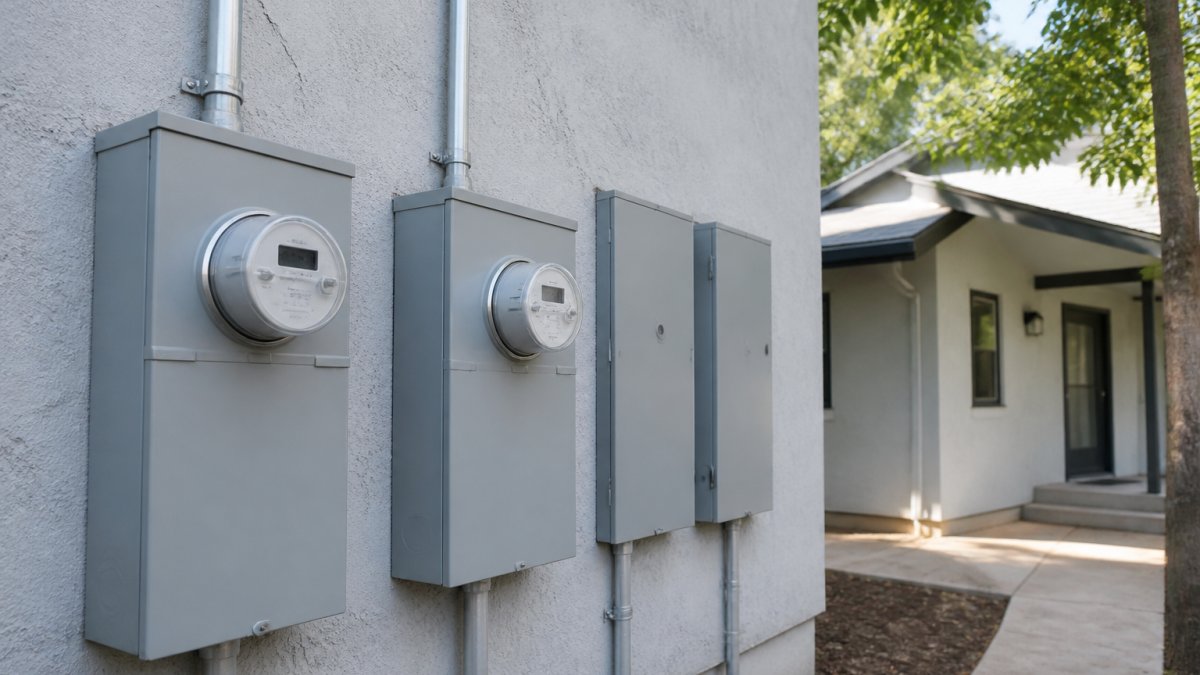
An ADU utility meter tracks the gas, water, or electricity used by an accessory dwelling unit separately from the main house. Most states require landlords to bill tenants for utilities they actually consume, not a share of the whole property's usage.
The Core Problem With Shared Meters
A shared meter means the main house and the ADU pull from the same utility connection. The utility provider sends one bill, and the owner has to figure out who owes what.
What Separation Actually Means
Meter separation gives the ADU its own utility meter, so the utility company tracks the unit's consumption independently. It differs from submetering, covered below.
There are two main paths:
- Separate utility meter: The utility company installs and reads a new meter. The ADU gets its own account.
- Submetering: The landlord installs a private meter and bills the tenant directly.
Landlord Tenant Utility Sharing Laws You Need to Know
Landlord tenant utility sharing laws vary by state and determine whether you can split utilities at all. Some require a separate meter before charging a tenant for usage; others allow submetering if the device is certified and the billing method is disclosed in the lease.
A few things to check before you rent:
- Does your state allow ratio utility billing systems (RUBS)?
- Are submeters required to be certified by a third party?
- Does the lease need to disclose the billing formula?
ADU Utility Submetering vs Separate Meters: Which Fits Your Rental?
ADU utility submetering means installing a private meter on the ADU's utility line and billing the tenant from readings. Separate meters are installed, owned, and read by the utility company. The wrong pick can leave you unable to legally collect a utility charge.
Here's how they compare:
| Factor | Submetering | Separate Meter |
|---|---|---|
| Who installs | Landlord or licensed contractor | Utility company |
| Who owns the meter | Property owner | Utility company |
| Who reads it | Landlord (or third-party billing service) | Utility company |
| Upfront cost | Lower per unit | Higher, service line, meter base, panel work |
| Ongoing admin | Landlord invoices tenant monthly | Utility bills tenant directly |
| Legal standing | Varies by state; certification and disclosure often required | Strongest, tenant is a direct utility customer |
| Best for | Attached ADU, single rental, utility won't add a service | Detached ADU, new construction, long-term hold |
What a Submeter Actually Includes
A compliant submetering setup is more than a box on the wall. A typical electric install includes:
- A meter socket and a meter rated for the ADU's load (often a kWh meter for electric, a flow meter for water, or a gas sub-meter where the utility permits it)
- Current transformers (CTs) or inline wiring sized to the ADU's feeder
- A disconnect or breaker dedicated to the ADU circuit
- A reading method, manual, pulse-output, or networked, and a billing platform if you don't want to read it yourself
The Legal Layer Most Guides Skip
Submetering is legal in many states, but usually only if three conditions are met:
- The meter is certified. Some states require meters to carry a certification (for example, a type evaluation from a weights-and-measures authority) so the readings are defensible if a tenant disputes them.
- The billing method is disclosed in the lease. The lease should state the rate, the formula, the reading schedule, and the tenant's right to see the readings.
- The charge reflects actual consumption. Flat fees dressed up as 'submetered' billing are the most common source of tenant complaints and state enforcement actions.
When Submetering Beats a Separate Meter
Submetering tends to win when:
- The utility won't add a second service line or second account at your address
- The ADU is attached and shares a wall, panel, or water main with the main house
- You want to keep one utility account and bill the tenant yourself
- The ADU is a single long-term rental, not a short-term turnover unit
A separate meter wins when the ADU is detached, when you're building new and can plan the service from day one, or when you want zero billing involvement. The trade-off is cost and utility lead time, a new service can take weeks to months. Navigating these logistical hurdles remains a fundamental part of building an ADU in California.
The Cost of Installing a Separate Electric Meter for an ADU
The cost of installing a separate electric meter for an ADU depends on your utility provider, the distance from the main panel, the ADU's load, and whether a service upgrade is needed. Most projects break into four cost buckets:
- Utility connection and meter fee: Set by the utility's published tariff. Some providers charge a flat service-establishment fee; others charge per foot of new service line.
- Service line and trenching: If the ADU is detached, you're paying to trench and run a new service conductor from the transformer or pedestal to the ADU's meter base. Trenching through landscaping, driveways, or rock costs more than open yard.
- Electrical panel, meter base, and wiring: Includes the ADU's subpanel or main panel, the meter socket, grounding, and branch circuits. Cost scales with the ADU's load calculation, a small studio with mini-splits and a heat-pump water heater lands in a very different place than a two-bedroom with electric range and dryer.
- Permits and inspection: Set by the local building department, usually a fixed fee plus a separate electrical inspection fee.
The Service Upgrade Is Usually the Biggest Variable
If your existing service can't carry the added ADU load, the utility won't approve a second meter until it's upgraded, often a larger main panel, a heavier service drop, and sometimes a new meter base for the main house. A service upgrade is often the largest line item in the project, larger than the meter itself.
Retrofitting vs. New Construction: The Cost Split
This distinction changes the budget more than any other factor.
- Re-trenching the yard for a new service line
- Upgrading the main panel to make room for the ADU feeder
- Possibly negotiating a utility easement if the new line crosses a neighbor's property
- Restoring landscaping, driveway, or hardscape after trenching
What to Ask Your Utility Before You Budget
Utility tariffs, not contractors, often set the connection fee, which varies widely between providers and between overhead and underground service. Before committing to a number, ask your utility:
- What is the current service-establishment fee for a second residential meter?
- Is there a per-foot charge for the new service line, and who pays for the transformer side?
- Does the utility require an easement or a specific meter location?
- What is the current lead time from application to meter set?
Building Codes, Permits, and Utility Provider Rules
The Cost of Installing a Separate Electric Meter for an ADU
For current pricing on QuiPlans engineering services and permit-ready drawings, check the QuiPlans pricing page.
Building Codes, Permits, and Utility Provider Rules
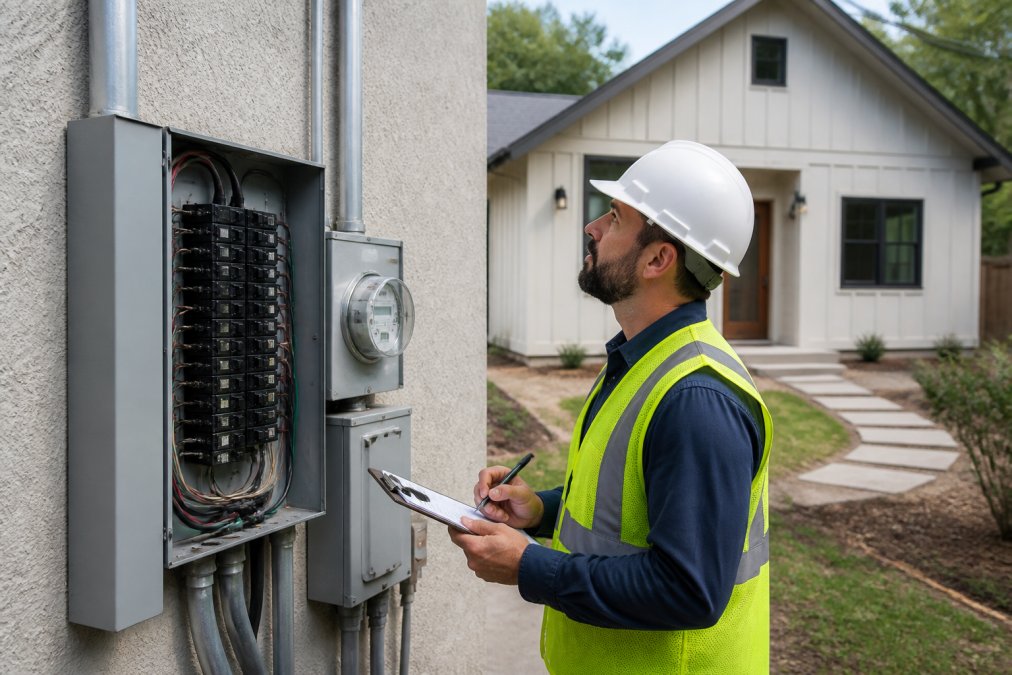
Building codes and permit requirements for meter separation are set locally but follow a similar pattern: a load calculation, a permit for the electrical work, and utility sign-off before the meter is energized.
Retrofitting vs. New Construction: Meter Separation by Project Type
Retrofitting meter separation into an existing home is harder than building it into new construction, where the service line, panel, and meter base are planned together from day one.
Retrofits usually mean:
- Trenching a new service line to the ADU
- Upgrading the main electrical panel
- Adding a utility easement if the line crosses a neighbor's property
Tax Implications of Utility Cost-Sharing for ADU Rentals
Utility cost-sharing has tax consequences most landlords don't think about: if you bill a tenant for utilities, that reimbursement is generally treated as rental income, not a separate category.
That means:
- Utility reimbursements count toward your gross rental income
- Your utility expenses remain deductible as rental expenses
- Submetering equipment may qualify for depreciation
Frequently Asked Questions
Does the local utility provider require a separate meter for an ADU?
It depends on the utility company and whether the ADU is rented separately. Many providers require a separate ADU utility meter when the unit is on its own lease, because the master meter cannot legally bill a tenant directly. Others allow submetering if it meets accuracy and disclosure rules. Check your provider's service requirements before finalizing plans, since retrofitting after construction costs significantly more.
What are the legal risks of sharing utility meters with tenants?
Sharing a master meter with a tenant creates several risks. You may violate landlord tenant utility sharing laws if you charge a tenant without a written cost allocation method. Some states treat shared metering as an unlawful utility resale. Disputes over bills can lead to withheld rent or complaints to the utility commission. A lease agreement that clearly states how utilities are split reduces, but does not eliminate, these risks.
Is it cost-effective to install a separate meter for an ADU?
The cost of installing a separate electric meter for an ADU varies by utility, trenching distance, and panel capacity. It usually pays off when the ADU is a long-term rental, because you can bill tenants directly and avoid disputes. For short-term or family use, submetering may be cheaper. Compare the installation cost against the monthly revenue you gain from separate tenant billing before deciding.
Does an ADU need a separate electrical panel?
A separate meter often requires its own panel, but not always. Some setups use a dual-meter main panel that feeds both units. A load calculation determines whether your existing service can handle the added demand or needs a service upgrade. Your utility provider and local building codes set the final requirement, so confirm with your electrician and permitting office before ordering equipment.