 ultimate-guide
Is a Studio ADU Worth It for Rental Income? 2026 Guide
Table of Contents
- The Real Numbers: Studio ADU Rental Income and ROI
- How to Budget for an ADU in 2026: Construction Costs and Hidden Expenses
- ADU Financing Options for Homeowners
- Tax Benefits: Depreciation and Write-Offs
- Legal and Zoning Requirements: What You Must Know
- JADU vs. Detached ADU: Which Is Right for You?
- Pros and Cons of Renting Out a Studio ADU
- Conclusion
- Frequently Asked Questions
Last Updated: September 29, 2026
The Real Numbers: Studio ADU Rental Income and ROI
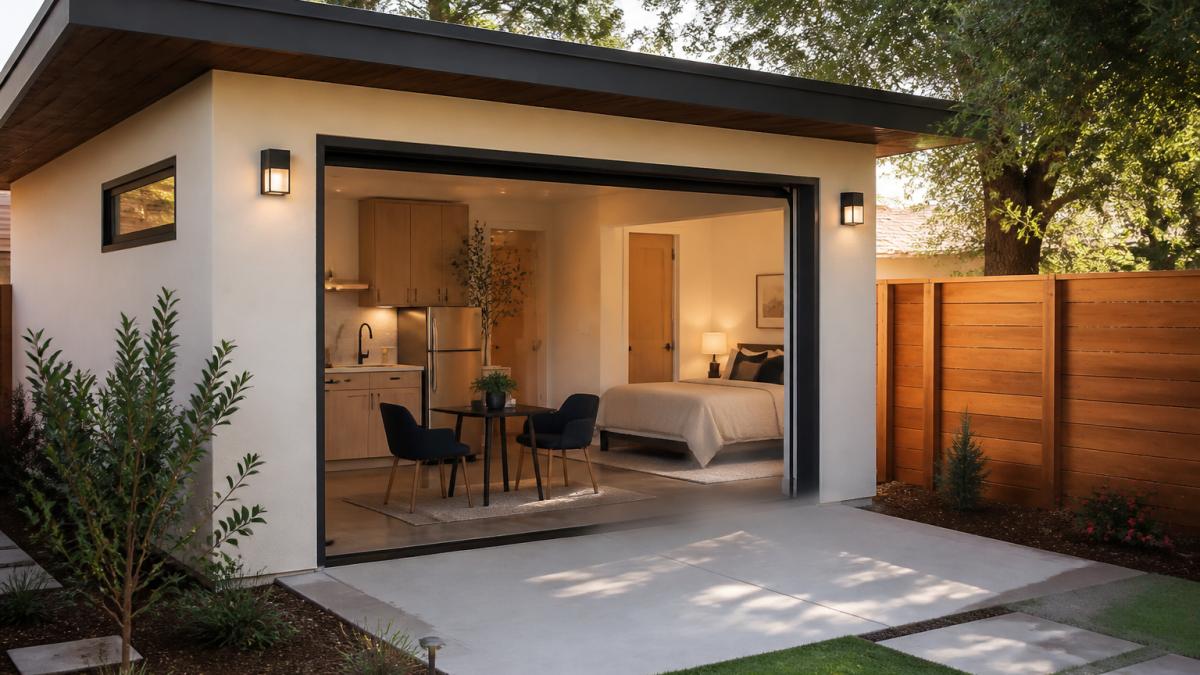
A studio ADU is a small, self-contained living unit built on the same lot as a primary home, typically ranging from 300 to 500 square feet with a compact kitchen, bathroom, and sleeping area. For homeowners weighing whether a studio ADU is worth it for rental income, the honest answer is that the math works in many markets, but only when you account for costs most guides ignore.
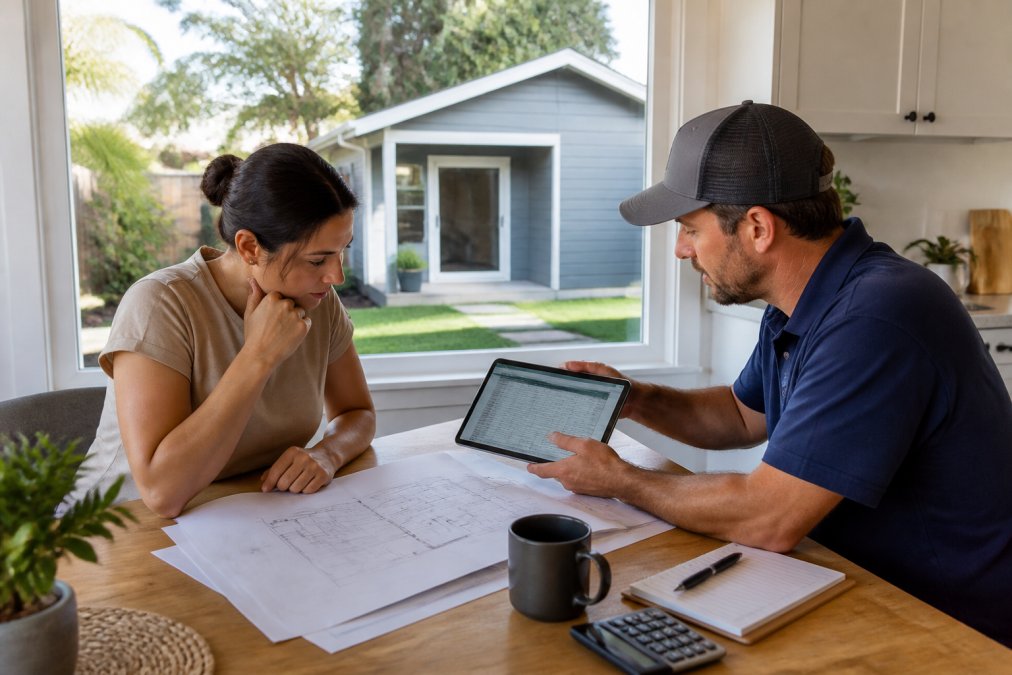
Average Rental Income for a Studio ADU
Average rental income for a studio ADU varies widely by market, unit size, and finish level. Many homeowners find that a well-built studio unit rents for a meaningful premium over a standard apartment because it offers privacy and often a yard.
How to Calculate Your Return on Investment
Return on investment for a studio ADU comes down to a simple formula: annual net rental income divided by total project cost. Net income means gross rent minus vacancy, maintenance, insurance, and any utilities you cover.
- Gross annual rent: monthly rent × 12
- Subtract vacancy: assume one month empty per year as a baseline
- Subtract operating costs: maintenance, insurance, property tax increase, utilities
- Divide net income by total construction and soft costs
A Worked Example (Illustrative)
Numbers vary by market, but the structure of the math does not. Suppose a detached studio ADU rents for $1,800 per month in your area:
| Line item | Annual amount |
|---|---|
| Gross rent ($1,800 × 12) | $21,600 |
| Vacancy reserve (1 month) | −$1,800 |
| Maintenance reserve (~5% of gross) | −$1,080 |
| Landlord insurance (ADU endorsement) | −$600 |
| Utilities you cover | −$1,200 |
| Property tax increase | −$900 |
| Net operating income | ≈ $16,020 |
What Erodes the Yield
Three costs quietly eat into the ROI that headline rent figures suggest:
- Vacancy. A single month empty each year is a reasonable baseline, but turnover in a studio unit can be more frequent than in a larger home, because tenants are often renters by circumstance rather than by choice.
- Maintenance reserves. A studio has a smaller roof and fewer systems than a full house, but those systems still age. Setting aside roughly 5% of gross rent annually keeps replacement costs from surprising you.
- Insurance and tax adjustments. Adding a rental unit can change your homeowner's policy and your assessed value. Confirm both before you finalize your pro forma.
The Bottom Line on ROI
A studio ADU can produce a healthy yield, often in the mid-single digits to low double digits in strong rental markets, but only if you model net income, not gross. The homeowners who are disappointed are almost always the ones who compared gross rent to construction cost and skipped the operating expenses in between.
How to Budget for an ADU in 2026: Construction Costs and Hidden Expenses
Learning how to budget for an ADU in 2026 starts with accepting that construction costs are only part of the picture. Site feasibility, utility hookups, and permitting fees add up fast.
Maintenance and Lifecycle Costs
Maintenance and lifecycle costs are the line item competitors ignore, and they are the reason some ADU owners are surprised by their real returns. Every building has a lifespan for its roof, siding, water heater, and appliances.
ADU Financing Options for Homeowners
ADU financing options for homeowners generally fall into a few categories: cash, a home equity line of credit, a cash-out refinance, or a construction loan. Each has trade-offs in cost and complexity.
- Cash: No interest cost, but ties up capital you may want liquid.
- Home equity line of credit: Flexible draw schedule that matches construction phases.
- Cash-out refinance: Replaces your existing mortgage, so compare rates carefully.
- Construction loan: Often converts to a permanent mortgage once the project is complete.
Tax Benefits: Depreciation and Write-Offs
Because tax rules are specific and change, confirm your situation with a qualified tax professional and review current guidance from the IRS on rental income and depreciation before filing.
Legal and Zoning Requirements: What You Must Know
Legal and zoning requirements decide whether your project is even possible, so start here before you spend on design. Local housing regulations govern unit size, height, setbacks, parking, and whether an ADU is allowed at all.
- Confirm your lot's zoning allows an ADU
- Check minimum and maximum unit sizes
- Verify setback and height limits
- Understand utility connection requirements
- Ask whether owner-occupancy is required
JADU vs. Detached ADU: Which Is Right for You?
A junior accessory dwelling unit, or JADU, is a smaller unit created within the existing footprint of your home, often by converting a bedroom or garage space. A detached ADU is a separate structure in the yard.
| Feature | JADU | Detached Studio ADU |
|---|---|---|
| Typical size | Up to 500 sq ft | 300-500 sq ft |
| Location | Inside existing home | Separate structure |
| Construction cost | Lower | Higher |
| Rental privacy | Shared walls | Fully separate |
| Rental income potential | Moderate | Higher |
| Best for | Tight budgets, quick builds | Maximum rental yield |
Pros and Cons of Renting Out a Studio ADU
Renting out a studio ADU can build long-term wealth, but it also turns you into a landlord, which is a job with real responsibilities. Most guides stop at the financial pros and cons. The landlord-side realities, screening, insurance, turnover, and legal exposure, are where the actual risk lives.
Pros:
- Generates ongoing passive income and improves cash flow
- Builds equity and can increase property value appreciation
- Helps address the local housing shortage
- Offers flexible use for family or rental later
- Creates a depreciable business asset that can offset taxable income
Cons:
- Requires tenant management and legal compliance
- Adds maintenance and lifecycle costs
- Involves upfront construction and permitting expense
- Ties up capital that could be invested elsewhere
- Exposes you to landlord-tenant law, fair housing rules, and eviction procedures
The Landlord Side Most Guides Skip
Tenant screening. A studio ADU attracts a different tenant pool than a three-bedroom house, often single renters, students, or short-term tenants. That means more frequent turnover. A common pattern is to run credit, income verification, and prior-landlord references on every applicant, and to use a written, consistent screening standard so you stay compliant with fair housing rules.
Who Should Build a Studio ADU for Rental Income
A studio ADU tends to make sense for homeowners who:
- Plan to hold the property long enough to recover construction costs through rent and appreciation
- Are comfortable acting as a landlord or willing to hire a property manager
- Have equity or cash to fund the project without straining their finances
- Live in a market with strong rental demand and ADU-friendly zoning
The financial case for a studio ADU is real, but it is a landlord's business, not a passive investment. Price in the management, insurance, and legal costs before you commit.
Conclusion
Deciding whether a studio ADU is worth it for rental income comes down to running the real numbers for your lot, your market, and your budget, then planning for the costs most owners overlook.
Frequently Asked Questions
What is the 7% rule for rental property?
The 7% rule is a quick screening tool: a property's monthly rent should equal at least 0.7% of the total purchase or construction cost. For a studio ADU, if construction costs $180,000, you'd want monthly rent of at least $1,260 to meet the rule. This isn't a guarantee of profitability, but it helps you compare investment options fast. It's most useful when you're evaluating multiple properties and want a rough filter before running detailed cash flow projections.
How can homeowners maximize rental income with a studio ADU?
Start by pricing at market rent rates for your area, not below. Furnish the unit if local demand supports short-term or mid-term rentals, which often command higher monthly rates than long-term leases. Keep the layout efficient to reduce vacancy time. Also, factor in tax depreciation and write-offs to improve your after-tax return. Screen tenants carefully to reduce turnover costs. Even small improvements like in-unit laundry or a dedicated parking spot can justify higher rent in competitive markets.
What are the downsides of renting an accessory dwelling unit?
You take on landlord responsibilities: tenant management, maintenance calls, and legal compliance with local housing regulations. Vacancy periods cut into cash flow. Some cities restrict short-term rentals, limiting your options. You'll also need to budget for ongoing maintenance and lifecycle costs like roof repairs or appliance replacement. Privacy can be a concern with an attached or detached unit close to your primary residence. Finally, if you sell, capital gains treatment depends on how long the ADU was rented and your primary residence status.
How does a studio ADU affect property tax and home value?
Adding a studio ADU typically increases your property tax assessment because the structure adds assessed value. The exact increase depends on your county assessor and local rules. On the positive side, an ADU often raises your home's market value because it adds usable square footage and income potential. Appraisers may value it based on rental income capitalization or comparable sales with ADUs. Check with your local assessor's office before building to understand the tax impact.